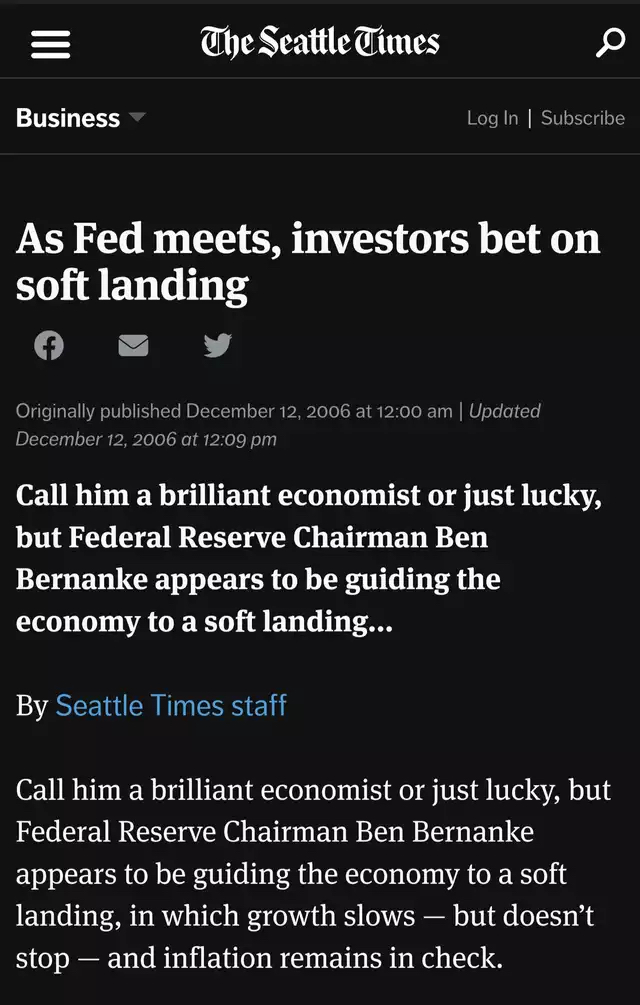
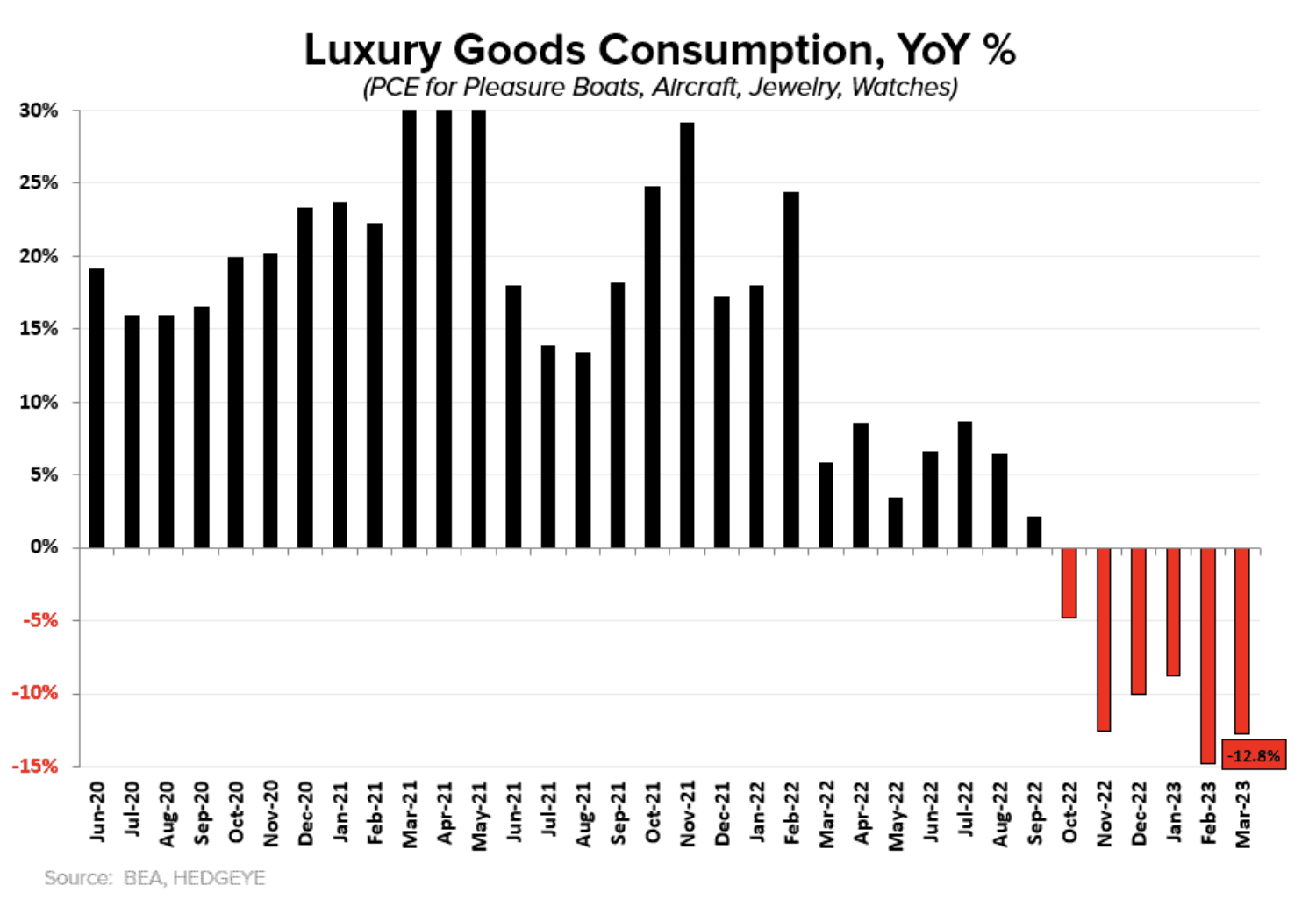
shared a link post in group #The Most Important Thing
Americans are still fretting over a potential recession, but the economy is actually faring much better than most people think, according to Nobel economist Paul Krugman.
In an op-ed for the New York Times on Monday, Krugman pointed to widespread pessimism about the US economy, despite indicators that show economic activity is fairly healthy.
Though 93% of CEOs expect the economy to tip into a recession within the next 18 months, according to the Conference Board's latest survey, Krugman noted that the job market is the strongest it's been in decades, with the US adding 6 million jobs since December 2021. The unemployment rate has also dropped to its lowest level since the 1960s, while job satisfaction is at an all-time-high.
And while inflation was a top concern for Americans in 2022, prices have been coming down for much of the past year, cooling to 4.9% in the April Consumer Price Index report. That's over 500 basis-points lower from where prices where in June 2022, when inflation notched a 41-year-high of 9.1%.
"The interesting question now is why, at least according to some surveys, the public remains very negative on the economy – as negative as it has been in the past amid severe economic downturns – even though those recession calls were clearly a false alarm, and the economy is actually looking remarkably strong," Krugman said.
Markets grew particularly skittish about recession risks last year when the US slipped into a technical recession defined by two straight quarters of negative GDP growth.
But official recessions are declared by the National Bureau of Economic Research, which uses other data to determine if the US is truly in a recession. So far, those other indicators say that it is not, Krugman said.
He speculated that the gloomy outlook on the economy stemmed from Americans who were assuming others were facing economic difficulties, though most people themselves are still dealing with upbeat personal fortunes. The odds of a future recession have also been widely publicized through media reports, which could be creating a negative bias.
"While many Americans tell surveys that things are terrible – which says something about how people respond to surveys and where they get their information, this doesn't contradict positive assessment," Krugman added.
Still, other experts have warned a downturn is still possible this year as the Fed signals it will keep interest rates high. Bank of America strategists said a downturn could start as soon as this quarter, judging by a notorious bond market indicator that predicted the recessions of 1990, 2001, and 2008.
https://markets.businessi..
#The Most Important Thing