Should I sell my down 40% portfolio for index funds?

avatar

The Most Important Thing

risk is largely a matter of opinion

Bobby's profile picture on Select App
Bo

Bobby

·4 years ago
shared a media post in group #The Most Important Thing
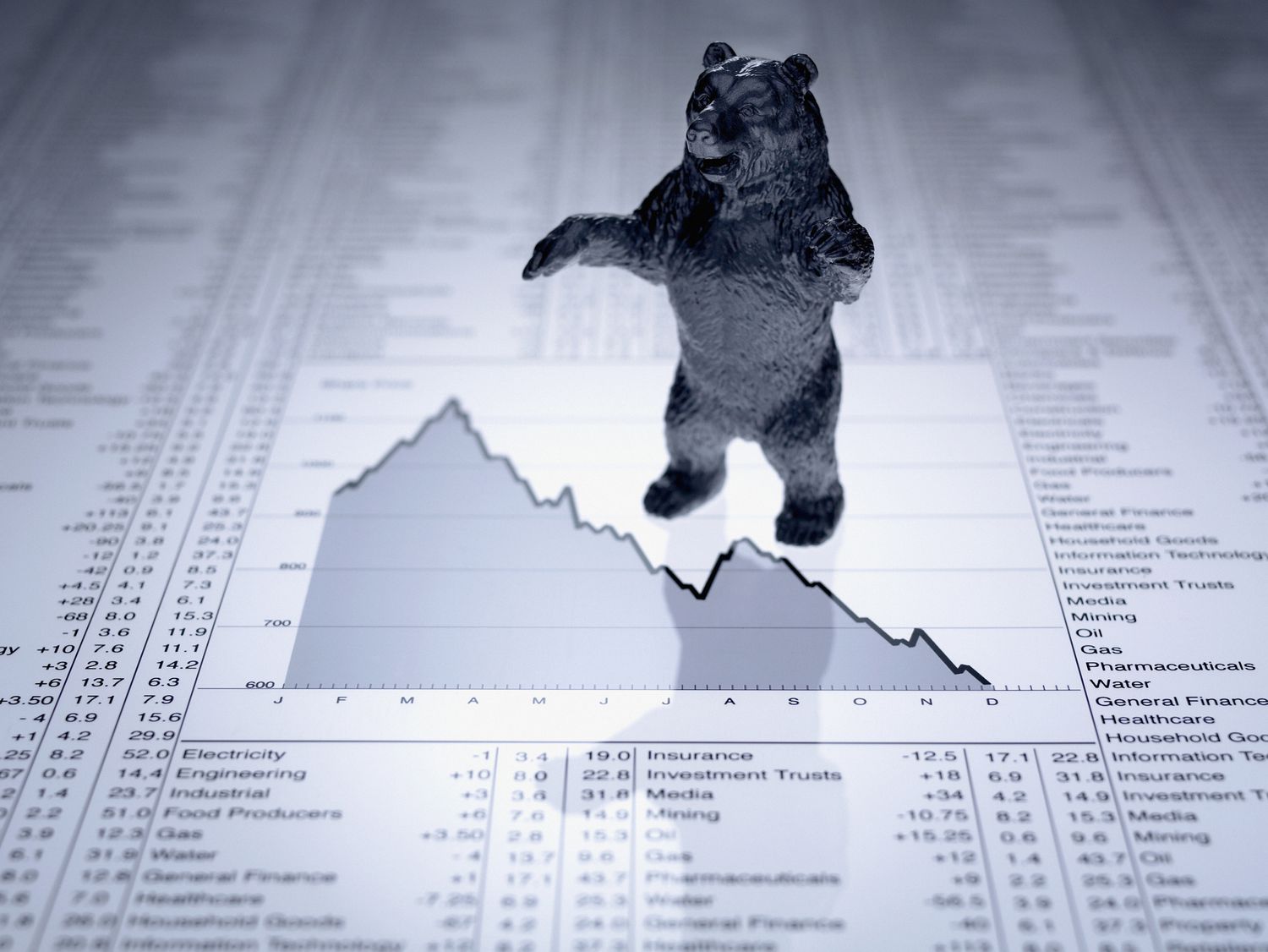
Should I sell my portfolio which is down 40% and put it into index funds and broad market ETFs, I started investing in Jan 2021 after hearing my friends talk about how easy the market was after they got into stocks and those coins in April 2020. I was never a fan of those coins or the risky stocks they were into. I looked up to Peter Lynch and his sayings were along the lines of invest in what you know. You dont have to look hard for a good stock you probably pass by them everyday. So I instead of those coins and unprofitable companies I invested at various points over the last 2 years into NVDA, AMD, TSLA, MMM, GOOGL, AMZN, D, VZ, SPG, MSFT, META, DIS, TGT, EXPE, BAC, TMO, and FDX. Im now down 40% and feel like giving up and just throwing it all into index funds. The two biggest gut punches was I bought GOOGL at $140 in Dec 2021 and TGT at $255 in Oct 2021. I thought they were great companies but I guess I picked the absolute worst year to start investing. Is it best I sell everything and go into index funds or should I ride it out with individual stocks?
Should I sell my portfolio which is down 40% and put it into index funds and broad market ETFs,
I started investing in Jan 20
 
avatar

D J

You started investing at the end of a bull market that has become a bear market. You are not alone in this, so don’t feel to bad about it. What you need to ask yourself now is, do you still believe in these companies and how long your timeframe is before you need those funds again. If you can keep them and continue to add funds to your account balance, then you can use these new funds to start building positions in mato a ETF like spy, voo, SCHD, all the ones that everyone seems to love. Good job of not falling for those hyped up coins. Good picks on the individual companies, good names that have been around and will continue to be around. After you’ve built up your etf position, if you’re still in the red on these good companies, re-evaluate them on a case by case basis and consider adding more shares below your current cost basis to DCA. That will at least lower your break even point should the companies start to run up again.

 
avatar

Alex

FWIW NASDAQ index funds are also down 25-30% in the past year. Big tech made up something like ~40% of the S&P before the bubble burst, so that has also dragged that index down. My point is If you owned tech/growth stocks going into a bear market it was not going to be pretty, regardless of if you bought an index or individual stocks. Buffett has a good saying: “you don’t have to make it back the way you lost it”. This is a good reminder that your best move today is to allocate to the assets that fit your risk tolerance and timeline, regardless of if you currently own them or not. Start by assessing your risk tolerance and timeline - I am sure there are lots of good free resources online to help understand this part of the investing journey, and maybe someone here can share one they’ve personally used.

 
avatar

Todd Smith

FWIW NASDAQ index funds are also down 25...
💯It sounds like you made the same mistake that most new investors make and that is not looking at valuations to determine what price to buy at. You picked some high quality companies but even a great company can be a poor investment if you pay way too much for it. 2021 was a tough year to start investing as many stocks were very overvalued and you really didn't get too many big dips to buy. I learned the same way when I just started investing in early 2000. I started and 2 months later the dot com bubble started bursting. one thing I learned, in a few years, you won't remember the crash. If you will need the cash over the next year, sell and keep cash, if not ride it out and invest. Most important rule in investing is to have cash for rainy day. True stock market losses happen when you have to sell in a crash. Keep at least 6 months savings in the bank. If you don't have that much and want to invest, save atleast 60% cash minimum and invest the rest. Until you have decent cash savings. Just remember you don't have to make it back the same way you lost it. 👍

Embed post to a webpage :
<div data-postid="dgyv" [...] </div>
Powered bySelect·iOS·Android
Privacy|Terms|